
Optimizing the Marine Propulsion System: The High-Torque Marine Reversing Reduction Gearbox for UK Commercial Fleets
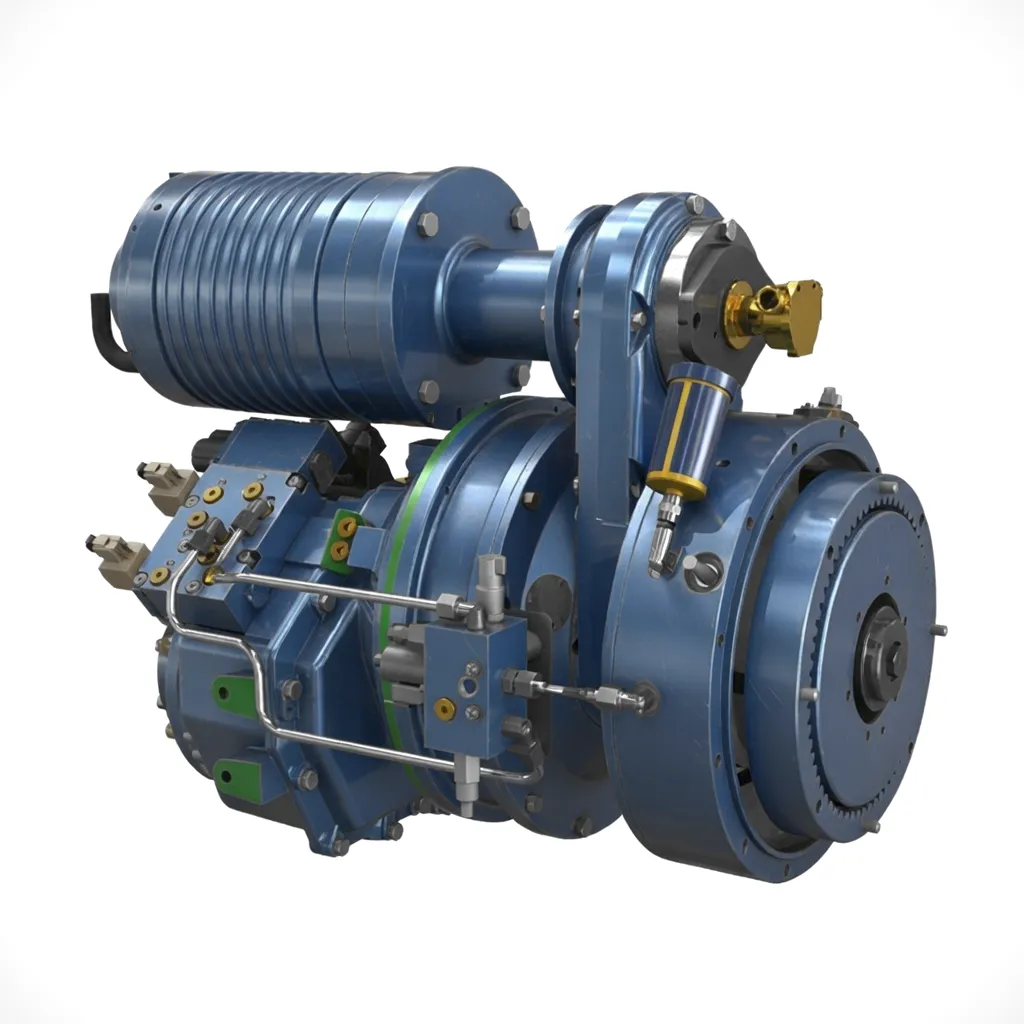 Navigating the highly unpredictable and treacherous maritime environments surrounding the United Kingdom, from the turbulent swells of the North Sea to the congested shipping lanes of the English Channel, demands a marine propulsion system engineered with uncompromising mechanical integrity and raw, sustained power. Deep within the architecture of these complex seagoing vessels lies the marine reversing reduction gearbox, a phenomenal piece of heavy-duty engineering absolutely critical for transforming high-velocity diesel engine rotation into controlled, usable torque capable of driving massive propellers. Unlike standard industrial speed reducers, a specialized marine reversing reduction gearbox must endure immense dynamic hull deflections, continuous torsional vibrations, and the exceptionally corrosive nature of offshore saltwater environments while guaranteeing the indispensable ability to execute rapid thrust reversal during tight harbor maneuvers. Shipbuilders, naval architects, and commercial fleet operators understand that specifying an inferior power transmission unit inevitably leads to catastrophic propulsion failure, exorbitant dry-docking downtime expenses, and severe safety hazards out on the open water. The modern marine reversing reduction gearbox represents an incredible evolution in applied metallurgical science and precision fluid dynamics, ensuring that heavy-duty fishing trawlers, offshore wind farm support vessels, and high-capacity passenger ferries maintain continuous, profitable operations regardless of the hostile weather conditions typical of the British coastline.
Advanced Working Principles and High-Grade Marine Metallurgy
The fundamental operational mechanics of a high-tier marine reversing reduction gearbox rely on a sophisticated arrangement of hydraulically actuated multi-disc clutches and precision-ground helical gear sets designed to manage extreme power loads within a confined marine propulsion system space. Engine power enters through the input shaft, where directional flow is manipulated by selectively engaging either the forward or reverse clutch packs, enabling seamless transitions between ahead and astern thrust without requiring the main engine to alter its rotational direction. To guarantee operational survivability in harsh environments, the internal gearing is forged from advanced low-carbon alloy steels, specifically 17CrNiMo6 or 20CrMnTi, which undergo rigorous carburizing and quenching processes to achieve a surface hardness exceeding 60 HRC while maintaining a tough, ductile core capable of absorbing sudden shock loads from propeller impacts. The cast iron or fabricated steel housing of the marine reversing reduction gearbox is structurally reinforced using finite element analysis (FEA) to prevent distortion under heavy thrust loads, and it is meticulously coated with marine-grade epoxy resins to provide an impenetrable barrier against saline corrosion. Integrated high-capacity heat exchangers utilizing continuous seawater flow ensure that the lubricating oil maintains optimal viscosity, thereby supporting the hydrodynamic film thickness required to protect bearings and gear teeth during prolonged, full-throttle continuous duty cycles.
The Critical Synergy with Industrial Transmission Shafts
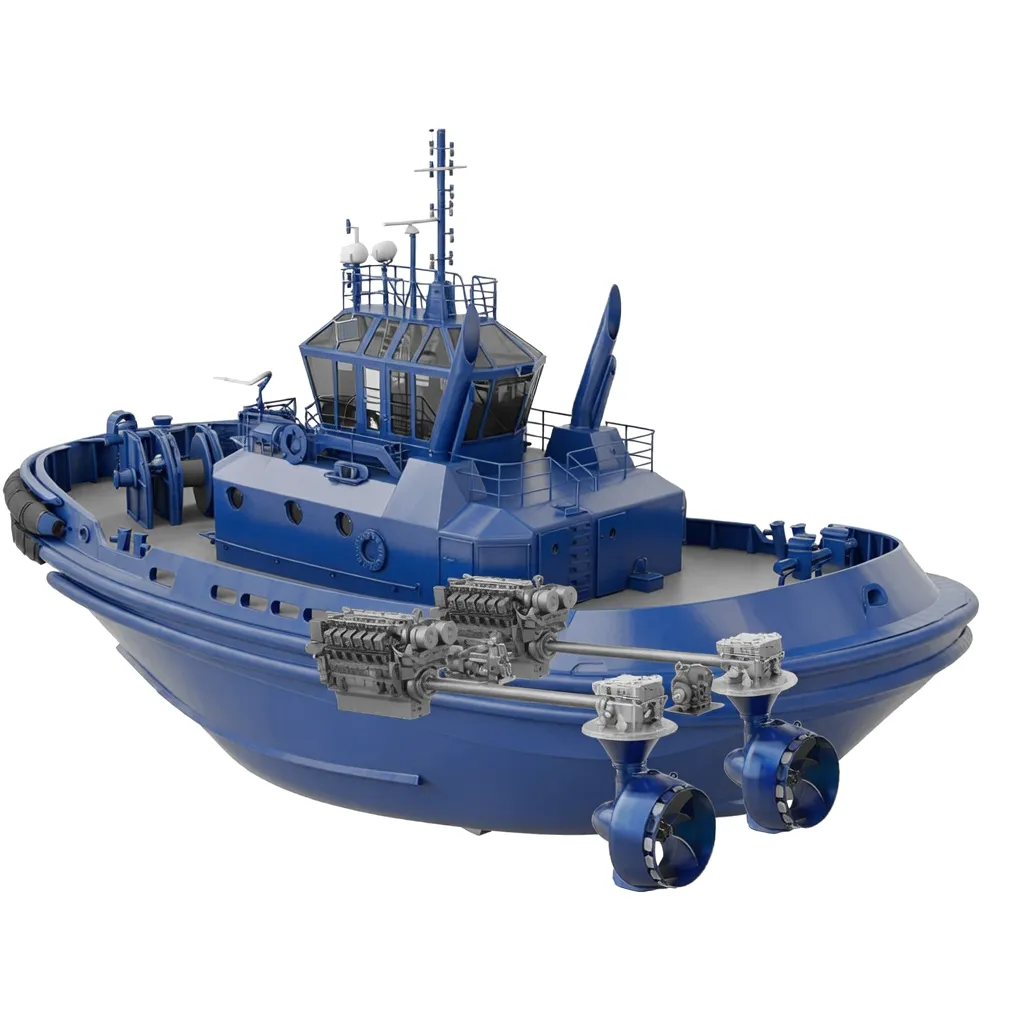 A comprehensive marine propulsion system cannot achieve its engineered potential without acknowledging the absolutely crucial relationship between the marine reversing reduction gearbox and the connecting industrial transmission shafts. As rotational energy exits the gearbox output flange, it must traverse the vessel’s hull interior to reach the propeller via highly engineered industrial transmission shafts. Microscopic misalignments between these massive components, often exacerbated by a vessel flexing over deep ocean swells, introduce devastating parasitic loads, severe bearing accelerated wear, and debilitating low-frequency torsional vibrations that can resonate destructively throughout the ship’s entire structure. We provide perfectly matched and dynamically balanced industrial transmission shafts that are specifically calibrated to integrate flawlessly with our marine reversing reduction gearbox units, ensuring a completely harmonious power delivery network. Utilizing specialized highly flexible couplings and integrated thrust bearings capable of absorbing immense axial loads from the propeller, our combined transmission solutions isolate the prime mover from destructive mechanical feedback. This meticulous systemic integration ensures that every ounce of horsepower generated by the diesel engine is efficiently converted into forwarding momentum, vastly improving overall fuel economy while drastically extending the intervals between mandatory maintenance overhauls for commercial operators.
Unrivaled Product Advantages for the Global Maritime Sector
Exceptional Torque Density and Compact Architecture
Engine room space aboard commercial vessels is notoriously limited, requiring marine propulsion systems that deliver maximum power within the smallest possible spatial footprint. Our advanced marine reversing reduction gearbox designs utilize ultra-precise gear tooth flank modifications and robust bearing configurations to dramatically increase torque density, allowing shipwrights to install a highly potent power transmission unit without sacrificing critical internal vessel volume. This optimized space utilization facilitates easier access for routine maintenance and permits the inclusion of auxiliary power generation equipment within the engine compartment, providing naval architects with unprecedented design flexibility for new builds and extensive retrofits.
Acoustic Mitigation and Vibration Dampening
Stringent noise regulations within the maritime industry, especially concerning passenger transport and environmentally sensitive zones, necessitate exceptionally quiet mechanical operations. By employing high-contact-ratio helical gearing manufactured to exacting DIN 5 quality standards, our marine reversing reduction gearbox drastically minimizes gear meshing noise and structural resonance. When systematically paired with our perfectly balanced industrial transmission shafts, the entire marine propulsion system functions with an incredibly smooth, low-decibel acoustic signature, vastly improving crew comfort during long voyages and ensuring strict compliance with stringent international maritime environmental noise standards.
Intelligent Condition Monitoring Integration
Proactive maintenance is the cornerstone of profitable fleet management, completely preventing catastrophic failures far out at sea. Our modern marine reversing reduction gearbox units are engineered to accommodate advanced sensor arrays that continuously monitor lubricating oil pressure, localized bearing temperatures, and specific high-frequency vibration spectrums. This real-time diagnostic data empowers marine engineers to detect microscopic anomalies deep within the marine propulsion system long before they escalate into debilitating mechanical breakdowns, shifting the maintenance paradigm from reactive emergency repairs to highly efficient, heavily predictable scheduled servicing during routine port calls.
Technical Performance Specifications
| Parameter | Specification Range | Industrial Application Implication |
|---|---|---|
| Rated Power Capacity | 200 HP to 4500 HP | Scalable integration for diverse marine propulsion system requirements. |
| Input Speed (RPM) | 1000 RPM to 2500 RPM | Highly compatible with both medium and high-speed marine diesel engines. |
| Reduction Ratios | 1.5:1 up to 7.5:1 | Optimizes propeller rotational speed for maximum hydrodynamic thrust. |
| Maximum Propeller Thrust | Up to 250,000 Newtons | Built-in heavy-duty thrust bearing prevents loads from reaching the engine. |
| Clutch Engagement Time | Less than 2.5 seconds | Ensures rapid maneuverability crucial for port operations and safety. |
| Matched Shaft Material | Duplex Stainless / Marine Grade Steel | Industrial transmission shafts engineered for extreme fatigue resistance. |
Targeted Application Scenarios
The deployment of our robust marine reversing reduction gearbox spans a vast array of specialized maritime operations, each demanding unique performance profiles from the overarching marine propulsion system. In the offshore energy sector, crew transfer vessels (CTVs) and heavy-duty anchor handling tugs rely on these gearboxes to deliver immense, instantaneous bollard pull while retaining the delicate, low-speed maneuverability required to hold station dangerously close to towering offshore wind turbine pylons. Commercial pelagic fishing trawlers, operating continuously for weeks, depend on the extreme thermal endurance of the gearbox and the perfectly aligned industrial transmission shafts to maintain constant trawling speeds under the massive drag weight of fully loaded nets, maximizing operational yields without overheating. Additionally, for roll-on/roll-off passenger ferries executing hundreds of precise docking maneuvers weekly across heavily trafficked coastal routes, the rapid, fail-safe engagement of the hydraulic clutch packs within the marine reversing reduction gearbox guarantees safe passenger transit and precise schedule adherence, proving indispensable across diverse commercial marine applications.
Customer Success Story: Revolutionizing an Aberdeen Offshore Supply Fleet
Operating an expansive fleet of deep-water platform supply vessels out of Aberdeen, a prominent Scottish maritime logistics corporation was experiencing recurrent, devastating mechanical failures resulting in severe financial hemorrhaging. Their existing propulsion setups were plagued by severe torsional vibrations stemming from misaligned components, leading to accelerated fatigue in both the gearsets and the engine mounts. Upon conducting a rigorous engineering consultation, our team recommended a complete architectural overhaul of their marine propulsion system. We engineered and deployed a customized, heavy-duty marine reversing reduction gearbox specifically calibrated to their exact engine output curve, pairing it intricately with precision-machined industrial transmission shafts manufactured in our facility. This bespoke integration entirely eradicated the destructive harmonic vibrations that had previously plagued the vessels. During rigorous sea trials amidst heavy North Sea gales, the vessel demonstrated a remarkable 14% improvement in overall fuel efficiency due to optimized power transfer, alongside an unprecedentedly smooth power delivery that greatly extended the anticipated operational lifespan of the entire drivetrain. The client has since systematically mandated our comprehensive transmission solutions across their entire newly commissioned offshore fleet, solidifying long-term operational resilience.
Trusted by Maritime Professionals Across the UK
“Upgrading our fleet with this specific marine reversing reduction gearbox and the exceptionally well-machined industrial transmission shafts completely eliminated the persistent overheating issues we faced during long-haul fishing trips off the coast of Cornwall. The technical support and engineering precision behind this marine propulsion system are genuinely world-class, providing us with absolute peace of mind during highly turbulent offshore weather conditions.”
— Captain Thomas H., Commercial Fishing Operator, Cornwall
“As a lead naval architect for high-speed transit ferries operating on the River Thames, we demand immediate, ultra-reliable clutch engagement. The response time on this marine reversing reduction gearbox is phenomenal, allowing our captains to execute millimeter-perfect docking maneuvers multiple times a day without putting undue stress on the broader marine propulsion system. Their custom engineering solutions saved our latest project from significant delays.”
— David M., Lead Naval Architect, London
“Sourcing a cohesive marine propulsion system from a single expert entity proved invaluable. They delivered a tremendously powerful marine reversing reduction gearbox seamlessly matched with massive industrial transmission shafts for our newly commissioned tugboat in the Clyde shipyards. The integration was absolutely flawless, and the sustained bollard pull performance during heavy towing operations has massively exceeded our highest initial engineering expectations.”
— Chief Engineer Alistair R., Towage and Salvage, Glasgow
Ever Power: Unmatched Factory Capabilities and Bespoke Customization
Maintaining absolute sovereignty over the entire manufacturing lifecycle is the defining hallmark of Ever Power’s industrial dominance. Our state-of-the-art production facility is heavily equipped with ultra-precision 5-axis CNC machining centers, advanced robotic welding stations, and massive heat-treatment furnaces, enabling us to engineer every marine reversing reduction gearbox entirely in-house to exact client specifications. We understand intimately that a standardized, off-the-shelf marine propulsion system is fundamentally insufficient for the complex, highly specialized demands of modern naval architecture. Therefore, our dedicated application engineering team collaborates intensely with shipyards to provide comprehensive product customization services, meticulously tailoring reduction ratios, bell-housing configurations, and PTO integrations to perfectly match the vessel’s unique operational profile. Every single gearbox and all accompanying industrial transmission shafts are subjected to brutal, simulated full-load endurance testing on our computerized dynamometer rigs before ever leaving the factory floor, mathematically guaranteeing unyielding reliability upon deployment. When your operation requires specialized transmission mechanics engineered for extreme environments, our factory stands fully prepared to transform your exact technical blueprints into robust, maritime reality.
Frequently Asked Questions (FAQ)
How much does a custom marine reversing reduction gearbox cost for a 2000HP commercial fishing trawler operating in the UK North Sea?
The exact cost for a custom marine reversing caja reductora engineered for a 2000HP commercial fishing trawler in the North Sea highly depends on specialized requirements such as exact reduction ratios, the inclusion of Power Take-Offs for deck machinery, and specialized marine-grade coatings. Because we operate our own manufacturing facility, we provide incredibly competitive factory-direct pricing for your entire marine propulsion system, ensuring you receive heavy-duty reliability without standard distribution markups. Please utilize our quote button to submit your vessel’s exact specifications for a detailed, highly accurate cost analysis.
What is the standard lead time to get a quote from a reliable UK marine gearbox supplier for a complete marine propulsion system retrofit?
Our application engineering team prides itself on rapid technical responses for extensive commercial retrofits. Generally, you will receive a comprehensive, detailed quote outlining the exact specifications and pricing for your dedicated marine reversing reduction gearbox and seamlessly matched industrial transmission shafts within 24 to 48 hours of submitting your core engine data. This immediate turnaround empowers maritime operators and shipbuilders to schedule highly complex dry-dock maintenance windows with absolute confidence and minimal bureaucratic delay.
Which materials provide the absolute best durability for industrial transmission shafts paired with a marine reversing reduction gearbox in corrosive saltwater environments?
For unyielding operational durability in aggressively corrosive saltwater conditions common to British coastal waters, we precisely manufacture our industrial transmission shafts using high-grade forged duplex stainless steels or deeply treated carbon steels enveloped in specialized, impact-resistant epoxy cladding. These advanced metallurgical choices prevent surface oxidation from compromising the structural integrity of the shafts, thereby ensuring that the immense rotational torque generated by the marine reversing reduction gearbox is safely and continuously transmitted to the propeller without catastrophic fatigue failure.
Where can I find a certified marine propulsion system engineer to assess the exact torque requirements for a heavy-duty marine reversing reduction gearbox?
You can connect directly with our elite team of deeply experienced, in-house application engineers through our primary platform to meticulously assess your vessel’s unique power dynamics. By supplying us with your prime mover’s engine performance curves, hull displacement figures, and intended commercial operational profile, our highly certified specialists will perform complex torsional vibration analysis to recommend the absolute optimal marine reversing reduction gearbox and matching industrial transmission shafts required to maximize your ship’s hydrodynamic efficiency.
When is the most cost-effective time to upgrade both the industrial transmission shafts and the marine reversing reduction gearbox during scheduled vessel dry-docking?
The absolutely most cost-effective moment to comprehensively upgrade your marine propulsion system is during a mandated, scheduled major survey dry-docking when the vessel’s hull is already fully exposed and heavy lifting infrastructure is actively present. Simultaneously replacing the aging marine reversing reduction gearbox and the heavily fatigued industrial transmission shafts as a unified, pre-engineered package completely eliminates redundant labor costs, ensures perfect mechanical alignment from the outset, and drastically extends the profitability timeline before the next required extensive overhaul.
edit by gzl