
Product Description
China K Series Spiral Bevel Geared Reducer for Electric Motor
Components:
1. Housing: Cast Iron
2. Gears: Helical-bevel Gears
3. Input Configurations: Equipped with Electric Motors, CHINAMFG Shaft Input, IEC-normalized Motor Flange
4. Applicable Motors: Single Phase AC Motor, Three Phase AC Motor, Brake Motors, Inverter Motors,
Multi-speed Motors, Explosion-proof Motor, Roller Motor
5. Output Configurations: CHINAMFG Shaft Output, Hollow Shaft Output
Models:
K Series – Foot-mounted, CHINAMFG shaft output
KAB Series – Foot-mounted, hollow shaft output
KA Series – Keyed hollow shaft output
KF Series – B5 Flange-mounted, CHINAMFG shaft output
KAF Series – B5 Flange-mounted, hollow shaft output
KAZ Series – B14 Flange-mounted, hollow shaft output
KAT Series – Hollow shaft output, torque arm
KH, KHB, KHF, KHZ Series – Hollow shaft output, shrink disk
KV, KVB, KVF, KVZ Series – Hollow shaft output, splined hollow shaft
K(KA, KF, KAF, KAB, KAZ)S Series – CHINAMFG shaft input
Product Advantages
K series gearbox is 1 kind of Helical Bevel type gearbox , High-stainless cast iron case,it is designed based on modularization,which bring many difference kinds of combinations ,mounting types ,and structure designs.
|
Product Name |
K Series Helical Bevel Geared Motor speed reducer 3kw 4kw 5.5kw 7.5kw 11kw 15kw |
|
Output configuration |
CHINAMFG shaft, splined shaft |
|
Mounted form |
foot-mounted and flange-mounted mounting |
|
Efficiency |
High power density |
|
Model |
GK,GKF,GKA,GKAF,GKAZ,GKHF,GK37~GK187 etc. |
|
Technology |
CNC grinding technology |
|
Application areas |
Metallurgical machinery, food machinery,logistics and transportation and so on. |
R series reducer has the characteristics of small volume and large torque transmission. It is designed and manufactured on the basis of modular combination system. There are many motor combinations,installation forms and structural schemes. R series reducer adopts the modular design principle of unit structure, with high transmission efficiency, low energy consumption and superior performance.
Product Description
Features of product
1.High transmission efficiency, stable operation, low noise
2.long service life, high bearing capacity
3.The ratio can meet various of working condition
4.Superior performance. Hard tooth surface gear use the high quality alloy steel.
Detailed Photos
Product Parameters
|
Models |
Output Shaft Dia. |
Input Shaft Dia. |
Power(kW) |
Ratio |
Max. Torque(Nm) |
|
|
Solid Shaft |
Hollow Shaft |
|||||
|
K38 |
25mm |
30mm |
16mm |
0.18~3.0 |
5.36~106.38 |
200 |
|
K48 |
30mm |
35mm |
19mm |
0.18~3.0 |
5.81~131.87 |
400 |
|
K58 |
35mm |
40mm |
19mm |
0.18~5.5 |
6.57~145.15 |
600 |
|
K68 |
40mm |
40mm |
19mm |
0.18~5.5 |
7.14~144.79 |
820 |
|
K78 |
50mm |
50mm |
24mm |
0.37~11 |
7.22~192.18 |
1550 |
|
K88 |
60mm |
60mm |
28mm |
0.75~22 |
7.19~197.27 |
2700 |
|
K98 |
70mm |
70mm |
38mm |
1.3~30 |
8.95~175.47 |
4300 |
|
K108 |
90mm |
90mm |
42mm |
3~45 |
8.74~141.93 |
8000 |
|
K128 |
110mm |
100mm |
55mm |
7.5~90 |
8.68~146.07 |
13000 |
|
K158 |
120mm |
120mm |
70mm |
11~160 |
12.66~150.03 |
18000 |
|
K168 |
160mm |
140mm |
70mm |
11~200 |
17.35~164.44 |
32000 |
|
K188 |
190mm |
160mm |
70mm |
18.5~200 |
17.97~178.37 |
50000 |
Our Advantages
/* January 22, 2571 19:08:37 */!function(){function s(e,r){var a,o={};try{e&&e.split(“,”).forEach(function(e,t){e&&(a=e.match(/(.*?):(.*)$/))&&1
| Application: | Motor, Motorcycle, Machinery, Agricultural Machine |
|---|---|
| Hardness: | Hardened Tooth Surface |
| Installation: | Horizontal Type |
| Layout: | Expansion, Parallel |
| Gear Shape: | Bevel Gear |
| Step: | Single-Step |
| Samples: |
US$ 500/Piece
1 Piece(Min.Order) | |
|---|
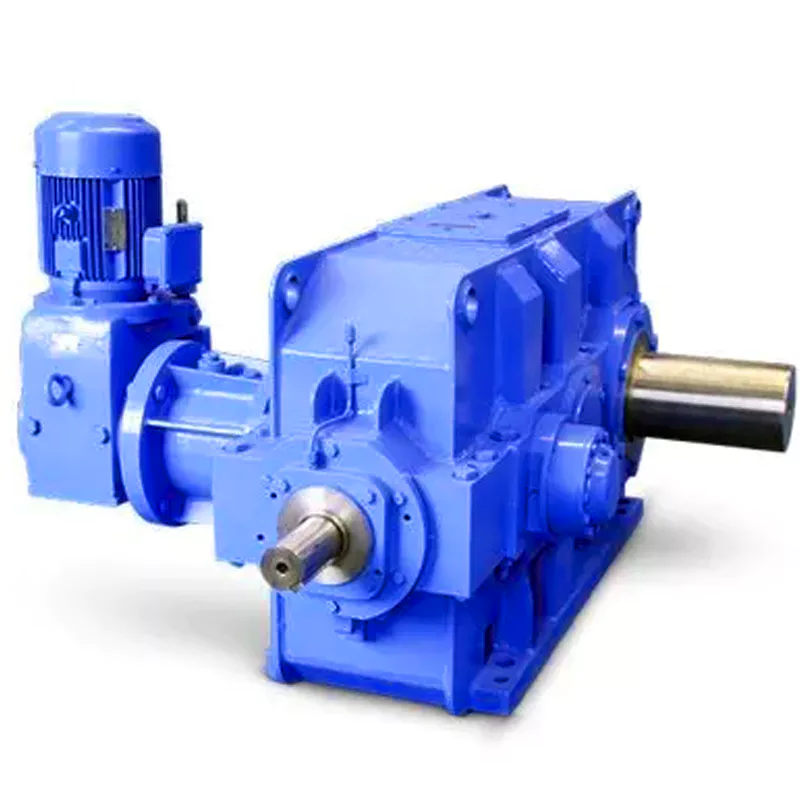
What are the considerations for choosing the appropriate lubrication for gear reducers?
Choosing the appropriate lubrication for gear reducers is crucial for ensuring optimal performance, longevity, and efficiency. Several considerations should be taken into account when selecting the right lubrication:
1. Load and Torque: The magnitude of the load and torque transmitted by the gear reducer affects the lubrication’s viscosity and film strength requirements. Heavier loads may necessitate higher viscosity lubricants.
2. Operating Speed: The speed at which the gear reducer operates impacts the lubrication’s ability to maintain a consistent and protective film between gear surfaces.
3. Temperature Range: Consider the temperature range of the operating environment. Lubricants with suitable viscosity indexes are crucial to maintaining performance under varying temperature conditions.
4. Contaminant Exposure: If the gear reducer is exposed to dust, dirt, water, or other contaminants, the lubrication should have proper sealing properties and resistance to contamination.
5. Lubrication Interval: Determine the desired maintenance interval. Some lubricants require more frequent replacement, while others offer extended operational periods.
6. Compatibility with Materials: Ensure that the chosen lubricant is compatible with the materials used in the gear reducer, including gears, bearings, and seals.
7. Noise and Vibration: Some lubricants have properties that can help reduce noise and dampen vibrations, improving the overall user experience.
8. Environmental Impact: Consider environmental regulations and sustainability goals when selecting lubricants.
9. Manufacturer Recommendations: Follow the manufacturer’s recommendations and guidelines for lubrication type, viscosity grade, and maintenance intervals.
10. Monitoring and Analysis: Implement a lubrication monitoring and analysis program to assess lubricant condition and performance over time.
By carefully evaluating these considerations and consulting with lubrication experts, industries can choose the most suitable lubrication for their gear reducers, ensuring reliable and efficient operation.
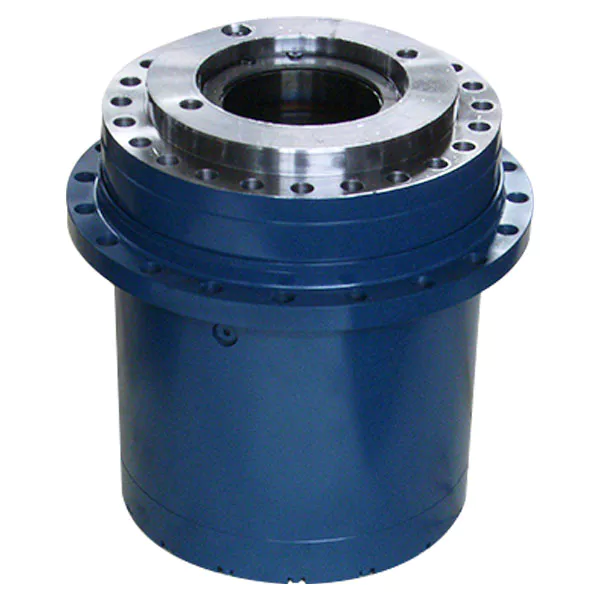
How do gear reducers ensure efficient power transmission and motion control?
Gear reducers play a vital role in ensuring efficient power transmission and precise motion control in various industrial applications. They achieve this through the following mechanisms:
- 1. Speed Reduction/Increase: Gear reducers allow you to adjust the speed between the input and output shafts. Speed reduction is essential when the output speed needs to be lower than the input speed, while speed increase is used when the opposite is required.
- 2. Torque Amplification: By altering the gear ratio, gear reducers can amplify torque from the input to the output shaft. This enables machinery to handle higher loads and provide the necessary force for various tasks.
- 3. Gear Train Efficiency: Well-designed gear trains within reducers minimize power losses during transmission. Helical and spur gears, for example, offer high efficiency by distributing load and reducing friction.
- 4. Precision Motion Control: Gear reducers provide precise control over rotational motion. This is crucial in applications where accurate positioning, synchronization, or timing is required, such as in robotics, CNC machines, and conveyor systems.
- 5. Backlash Reduction: Some gear reducers are designed to minimize backlash, which is the play between gear teeth. This reduction in play ensures smoother operation, improved accuracy, and better control.
- 6. Load Distribution: Gear reducers distribute the load evenly among multiple gear teeth, reducing wear and extending the lifespan of the components.
- 7. Shock Absorption: In applications where sudden starts, stops, or changes in direction occur, gear reducers help absorb and dampen shocks, protecting the machinery and ensuring reliable operation.
- 8. Compact Design: Gear reducers provide a compact solution for achieving specific speed and torque requirements, allowing for space-saving integration into machinery.
By combining these principles, gear reducers facilitate the efficient and controlled transfer of power, enabling machinery to perform tasks accurately, reliably, and with the required force, making them essential components in a wide range of industries.
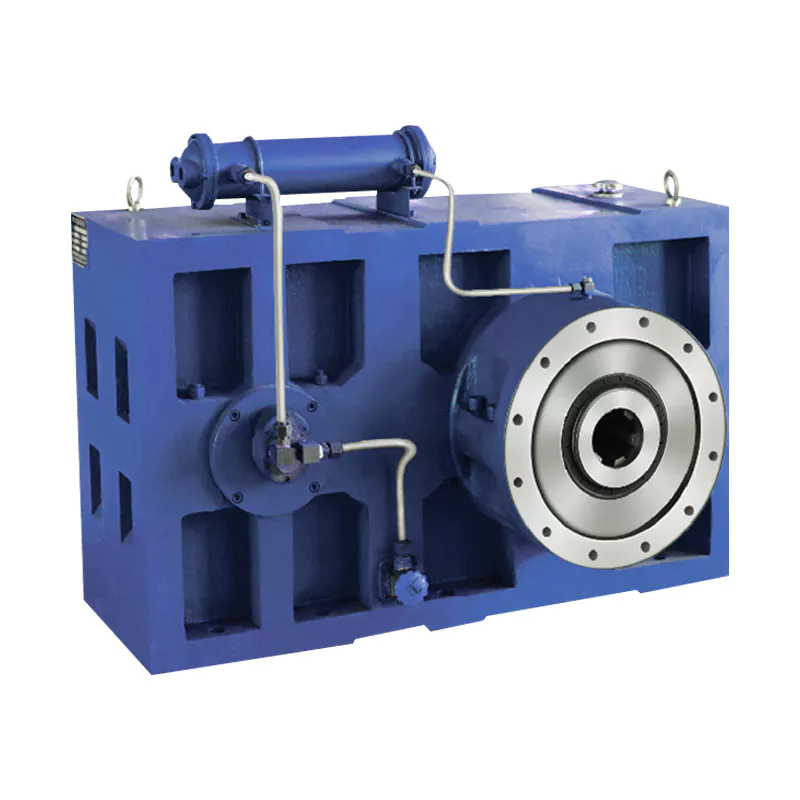
What industries and machinery commonly utilize gear reducers?
Gear reducers are widely used across various industries and types of machinery for torque reduction and speed control. Some common industries and applications include:
- 1. Manufacturing: Gear reducers are used in manufacturing equipment such as conveyors, mixers, and packaging machines to control speed and transmit power efficiently.
- 2. Automotive: They are utilized in vehicles for applications like power transmission in transmissions and differentials.
- 3. Aerospace: Gear reducers are used in aircraft systems, including landing gear mechanisms and engine accessories.
- 4. Robotics and Automation: They play a crucial role in robotic arms, CNC machines, and automated production lines.
- 5. Mining and Construction: Gear reducers are used in heavy machinery like excavators, bulldozers, and crushers for power transmission and torque multiplication.
- 6. Energy and Power Generation: Wind turbines, hydroelectric generators, and other power generation equipment use gear reducers to convert rotational speed and transmit power.
- 7. Marine and Shipbuilding: They are used in ship propulsion systems, steering mechanisms, and anchor handling equipment.
- 8. Material Handling: Gear reducers are essential in conveyor systems, elevators, and hoists for controlled movement of materials.
- 9. Food and Beverage: They find applications in food processing equipment like mixers, grinders, and packaging machines.
- 10. Paper and Pulp: Gear reducers are used in machinery for pulp processing, paper production, and printing.
These examples represent just a fraction of the industries and machinery that benefit from the use of gear reducers to optimize power transmission and achieve the desired motion characteristics.


editor by CX 2024-05-08