
Product Description
Product Description
Model No.: NMRV/NRV571, 030, 040, 050, 063, 075, 090, 110, 130
Reduction gear, worm gear, gear reducer
Reduction gear
Features:
1) High quality aluminum alloy die cast gearbox
2) High accuracy worm gear and worm shaft
3) Less noise and lower temperature increase
4) Easy mounting and linking, high efficiency
5) Power: 0.06 – 15kW
6) Output torque: 2.7 – 1, 760Nm
7) Transmission rate: 5 – 100
Inner packing: Carton Outer packing: Wooden case
Reduction gear, worm gear, gear reducer
| model | PAM IEC | N | M | P | 7.5D | 10D | 15D | 20D | 25D | 30D | 40D | 50D | 60D | 80D |
| NMRV030 | 63B5 | 95 | 115 | 140 | 11 | 11 | 11 | 11 | 11 | 11 | 11 | / | / | / |
| NMRV030 | 63B14 | 60 | 75 | 90 | 11 | 11 | 11 | 11 | 11 | 11 | 11 | / | / | / |
| NMRV030 | 56B5 | 80 | 100 | 120 | 9 | 9 | 9 | 9 | 9 | 9 | 9 | 9 | 9 | 9 |
| NMRV030 | 56B14 | 50 | 65 | 80 | 9 | 9 | 9 | 9 | 9 | 9 | 9 | 9 | 9 | 9 |
| NMRV040 | 71B5 | 110 | 130 | 160 | 14 | 14 | 14 | 14 | 14 | 14 | 14 | / | / | / |
| NMRV040 | 71B14 | 70 | 85 | 105 | 14 | 14 | 14 | 14 | 14 | 14 | 14 | / | / | / |
| NMRV040 | 63B5 | 95 | 115 | 140 | 11 | 11 | 11 | 11 | 11 | 11 | 11 | 11 | 11 | 11 |
| NMRV040 | 63B14 | 60 | 75 | 90 | 11 | 11 | 11 | 11 | 11 | 11 | 11 | 11 | 11 | 11 |
| NRMV050 | 90B5 | 130 | 165 | 200 | 19 | 19 | 19 | 19 | 19 | / | / | / | / | / |
| NRMV050 | 80B14 | 80 | 100 | 120 | 19 | 19 | 19 | 19 | 19 | / | / | / | / | / |
| NRMV050 | 71B5 | 110 | 130 | 160 | 14 | 14 | 14 | 14 | 14 | 14 | 14 | 14 | 14 | 14 |
| NRMV050 | 71B14 | 70 | 85 | 105 | 14 | 14 | 14 | 14 | 14 | 14 | 14 | 14 | 14 | 14 |
| NMRV063 | 90B5 | 130 | 165 | 200 | 24 | 24 | 24 | 24 | 24 | 24 | / | / | / | / |
| NMRV063 | 90B14 | 95 | 115 | 140 | 24 | 24 | 24 | 24 | 24 | 24 | / | / | / | / |
| NMRV063 | 80B5 | 130 | 165 | 200 | 19 | 19 | 19 | 19 | 19 | 19 | 19 | 19 | / | / |
| NMRV063 | 80B14 | 80 | 100 | 120 | 19 | 19 | 19 | 19 | 19 | 19 | 19 | 19 | / | / |
| NRMV075 | 100/112B5 | 180 | 215 | 250 | 28 | 28 | 28 | / | / | / | / | / | / | / |
| NRMV075 | 100/112B14 | 110 | 130 | 160 | 28 | 28 | 28 | / | / | / | / | / | / | / |
| NRMV075 | 90B5 | 130 | 165 | 200 | 24 | 24 | 24 | 24 | 24 | 24 | 24 | / | / | / |
| NRMV075 | 90B14 | 95 | 115 | 140 | 24 | 24 | 24 | 24 | 24 | 24 | 24 | / | / | / |
| NMRV090 | 100/112B5 | 180 | 215 | 250 | / | / | / | / | 24 | 24 | 24 | 24 | 24 | 24 |
| NMRV090 | 100/112B14 | 110 | 130 | 160 | / | / | / | / | 24 | 24 | 24 | 24 | 24 | 24 |
| NMRV090 | 90B5 | 130 | 165 | 200 | / | / | / | / | / | / | / | 19 | 19 | 19 |
| NMRV090 | 90B14 | 95 | 115 | 140 | / | / | / | / | / | / | / | 19 | 19 | 19 |
Detailed Photos
FAQ
1. How to choose a gearbox which meets our requirement?
You can refer to our catalogue to choose the gearbox or we can help to choose when you provide
the technical information of required output torque, output speed and motor parameter etc.
2. What information shall we give before placing a purchase order?
a) Type of the gearbox, ratio, input and output type, input flange, mounting position, and motor informationetc.
b) Housing color.
c) Purchase quantity.
d) Other special requirements.
3. What industries are your gearboxes being used?
Our gearboxes are widely used in the areas of textile, food processing, beverage, chemical industry,
escalator,automatic storage equipment, metallurgy, tabacco, environmental protection, logistics and etc.
4. Do you sell motors?
We produce and sale motor by ourselves with high quality.
/* January 22, 2571 19:08:37 */!function(){function s(e,r){var a,o={};try{e&&e.split(“,”).forEach(function(e,t){e&&(a=e.match(/(.*?):(.*)$/))&&1
| Application: | Motor, Machinery, Agricultural Machinery |
|---|---|
| Hardness: | Hardened Tooth Surface |
| Installation: | Vertical Type |
| Layout: | Coaxial |
| Gear Shape: | वर्म गियर |
| Step: | Single-Step |
| Samples: |
US$ 445/Piece
1 Piece(Min.Order) | |
|---|
| Customization: |
Available
| Customized Request |
|---|
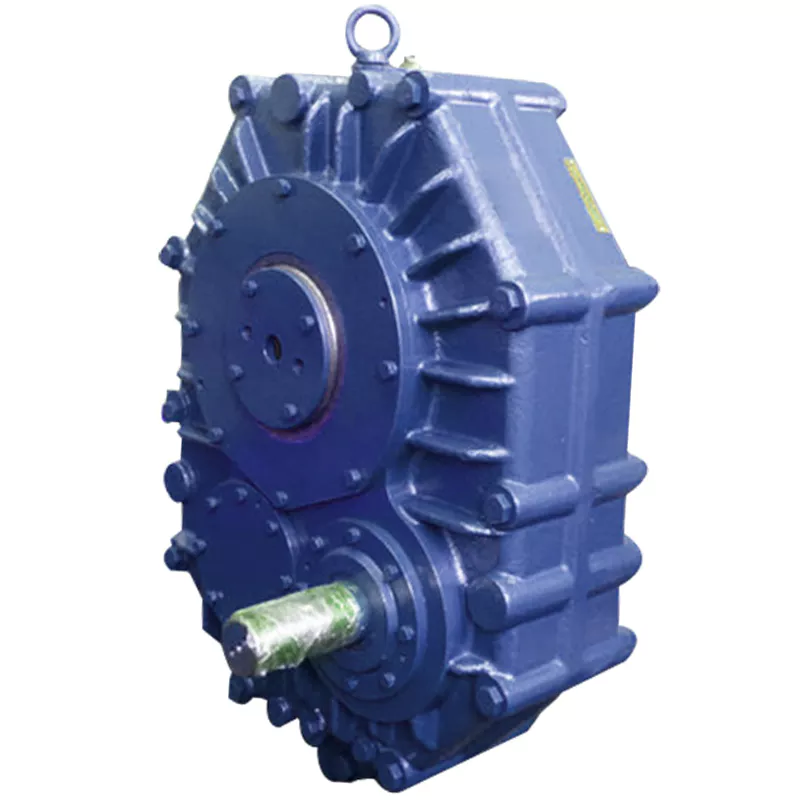
Are there any disadvantages or limitations to using gear reducer systems?
While gear reducer systems offer numerous advantages, they also come with certain disadvantages and limitations that should be considered during the selection and implementation process:
1. Size and Weight: Gear reducers can be bulky and heavy, especially for applications requiring high gear ratios. This can impact the overall size and weight of the machinery or equipment, which may be a concern in space-constrained environments.
2. Efficiency Loss: Despite their high efficiency, gear reducers can experience energy losses due to friction between gear teeth and other components. This can lead to a reduction in overall system efficiency, particularly in cases where multiple gear stages are used.
3. Cost: The design, manufacturing, and assembly of gear reducers can involve complex processes and precision machining, which can contribute to higher initial costs compared to other power transmission solutions.
4. Maintenance: Gear reducer systems require regular maintenance, including lubrication, inspection, and potential gear replacement over time. Maintenance activities can lead to downtime and associated costs in industrial settings.
5. Noise and Vibration: Gear reducers can generate noise and vibrations, especially at high speeds or when operating under heavy loads. Additional measures may be needed to mitigate noise and vibration issues.
6. Limited Gear Ratios: While gear reducers offer a wide range of gear ratios, there may be limitations in achieving extremely high or low ratios in certain designs.
7. Temperature Sensitivity: Extreme temperatures can affect the performance of gear reducer systems, particularly if inadequate lubrication or cooling is provided.
8. Shock Loads: While gear reducers are designed to handle shock loads to some extent, severe shock loads or abrupt changes in torque can still lead to potential damage or premature wear.
Despite these limitations, gear reducer systems remain widely used and versatile components in various industries, and their disadvantages can often be mitigated through proper design, selection, and maintenance practices.
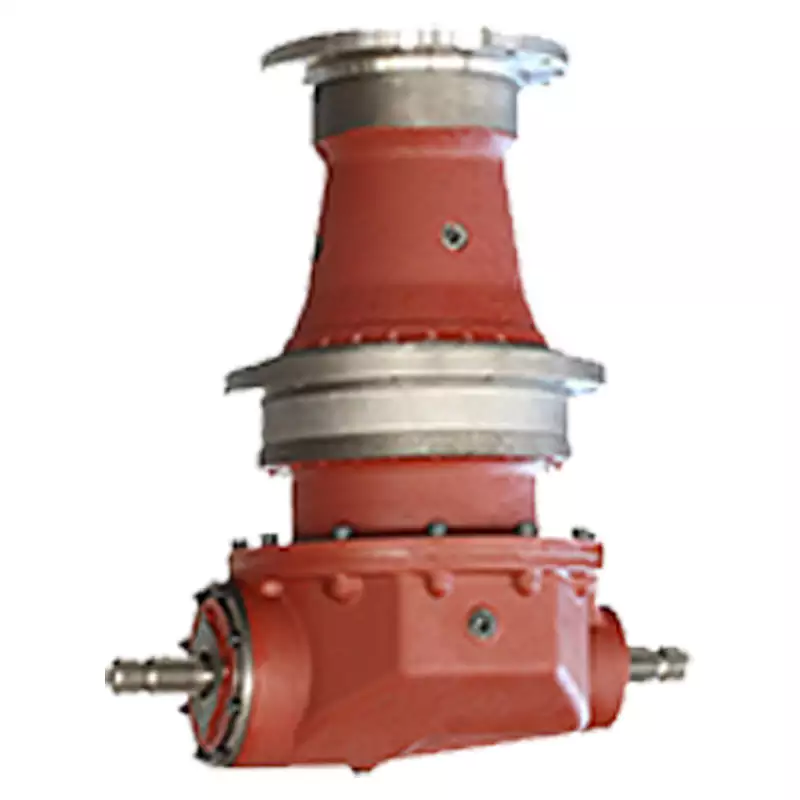
What maintenance practices are essential for prolonging the lifespan of gear reducers?
Proper maintenance is crucial for extending the lifespan and ensuring optimal performance of gear reducers. Here are essential maintenance practices:
- 1. Lubrication: Regular lubrication of gear reducers is vital to reduce friction, wear, and heat generation. Use the recommended lubricant and follow the manufacturer’s guidelines for lubrication intervals.
- 2. Inspection: Routinely inspect gear reducers for signs of wear, damage, or leaks. Check for unusual noises, vibrations, or temperature increases during operation.
- 3. Alignment: Ensure proper alignment of the input and output shafts. Misalignment can lead to increased wear, noise, and reduced efficiency. Align the components according to the manufacturer’s specifications.
- 4. Cooling and Ventilation: Maintain proper cooling and ventilation to prevent overheating. Ensure that cooling fans and vents are clean and unobstructed.
- 5. Seal Maintenance: Inspect and replace seals as needed to prevent contaminants from entering the gear reducer. Contaminants can lead to accelerated wear and reduced performance.
- 6. Bolts and Fasteners: Regularly check and tighten bolts and fasteners to prevent loosening during operation, which can cause misalignment or component damage.
- 7. Replacing Worn Components: Replace worn or damaged components, such as gears, bearings, and seals, with genuine parts from the manufacturer.
- 8. Vibration Analysis: Conduct periodic vibration analysis to identify potential issues early. Excessive vibration can indicate misalignment or component wear.
- 9. Maintenance Records: Keep detailed maintenance records, including lubrication schedules, inspection dates, and component replacements. This helps track the history of the gear reducer and aids in future maintenance planning.
- 10. Training: Provide proper training to maintenance personnel on gear reducer maintenance and troubleshooting techniques.
By adhering to these maintenance practices, you can maximize the lifespan of your gear reducers, minimize downtime, and ensure reliable operation in your industrial processes.
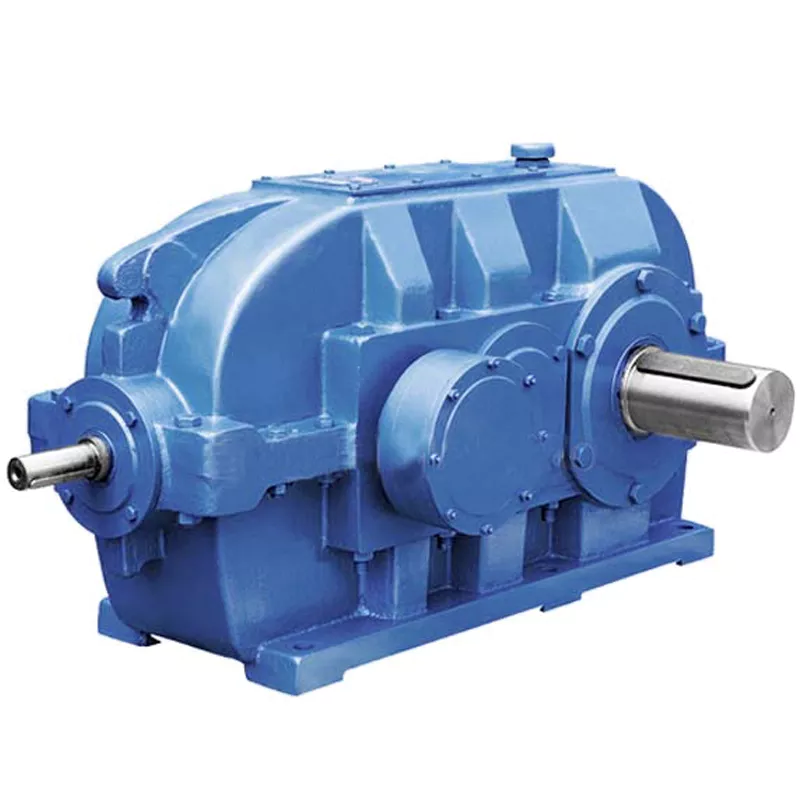
How do gear reducers handle variations in input and output speeds?
Gear reducers are designed to handle variations in input and output speeds through the use of different gear ratios and configurations. They achieve this by utilizing intermeshing gears of varying sizes to transmit torque and control rotational speed.
The basic principle involves connecting two or more gears with different numbers of teeth. When a larger gear (driving gear) engages with a smaller gear (driven gear), the rotational speed of the driven gear decreases while the torque increases. This reduction in speed and increase in torque enable gear reducers to efficiently adapt to variations in input and output speeds.
The gear ratio is a critical factor in determining how much the speed and torque change. It is calculated by dividing the number of teeth on the driven gear by the number of teeth on the driving gear. A higher gear ratio results in a greater reduction in speed and a proportionate increase in torque.
Planetary gear reducers, a common type, use a combination of gears including sun gears, planet gears, and ring gears to achieve different speed reductions and torque enhancements. This design provides versatility in handling variations in speed and torque requirements.
In summary, gear reducers handle variations in input and output speeds by using specific gear ratios and gear arrangements that enable them to efficiently transmit power and control motion characteristics according to the application’s needs.


editor by CX 2024-04-26