
Product Description
PLANETX planetary reduce
Planetary reducer is widely used in industrial products due to its small size, light weight, large torque, wide speed ratio range, high rigidity, high precision, high transmission efficiency, maintenance free and other characteristics.
The planetary reducer structure is composed of a sun gear and a planet gear to form an external mesh, and a planet gear and an internal gear ring to form an internal mesh, so that the planet gear can realize revolution while realizing self rotation and maximum transmission of guarantee force; The minimum speed ratio of single-stage reduction is 3, and the maximum speed ratio is generally not more than 10. Common reduction ratios are 3, 4, 5, 6, 7, 8, and 10. The number of reducer stages is generally not more than 3, and the speed ratio is not more than 1.
Most planetary reducers are used with servo motors to reduce speed, increase torque, increase inertia, and ensure return accuracy (the higher the return accuracy, the higher the price). The maximum rated input speed of planetary reducers can reach 12000 rpm (depending on the size of the reducer itself, the larger the reducer, the smaller the rated input speed), and the operating temperature is generally between – 40 ºC and 120 ºC.
| Model | Unit | PZE060A PZF060A PZK060A |
PZE085A PZF085A PZK085A |
PZE115A PZF115A PZK115A |
PZE140A PZF140A PZF160A PZK140A PZK160A |
Ratios(i) | Stages |
|
Rated output torque Nm |
16.5 | 63.0 | 155.0 | 310.0 | 3 | 1-stages | |
| 26.0 | 90.0 | 230.0 | 460.0 | 4 | |||
| 28.0 | 100.0 | 245.0 | 500.0 | 5 | |||
| 20.0 | 68.0 | 165.0 | 340.0 | 7 | |||
| 12.5 | 43.0 | 95.0 | 195.0 | 10 | |||
| 19.5 | 75.0 | 185.0 | 370.0 | 9 |
2-stages |
||
| 31.5 | 110.0 | 275.0 | 550.0 | 12 | |||
| 31.5 | 110.0 | 275.0 | 550.0 | 16 | |||
| 31.5 | 110.0 | 275.0 | 550.0 | 20 | |||
| 33.5 | 120.0 | 290.0 | 600.0 | 25 | |||
| 31.5 | 110.0 | 275.0 | 550.0 | 28 | |||
| 33.5 | 120.0 | 290.0 | 600.0 | 35 | |||
| 31.5 | 110.0 | 275.0 | 550.0 | 40 | |||
| 33.5 | 120.0 | 290.0 | 600.0 | 50 | |||
| 24.0 | 81.0 | 195.0 | 400.0 | 70 | |||
| 37.5 | 130.0 | 335.0 | 665.0 | 80 | |||
| 37.5 | 130.0 | 335.0 | 665.0 | 100 |
3-stages |
||
| 40.0 | 145.0 | 355.0 | 720.0 | 125 | |||
| 37.5 | 130.0 | 335.0 | 665.0 | 140 | |||
| 40.0 | 145.0 | 355.0 | 720.0 | 175 | |||
| 37.5 | 130.0 | 335.0 | 665.0 | 200 | |||
| 40.0 | 145.0 | 355.0 | 720.0 | 250 | |||
| 37.5 | 130.0 | 335.0 | 665.0 | 280 | |||
| 40.0 | 145.0 | 355.0 | 720.0 | 350 | |||
| 37.5 | 130.0 | 335.0 | 665.0 | 400 | |||
| 40.0 | 145.0 | 355.0 | 720.0 | 500 | |||
| 28.0 | 95.0 | 230.0 | 480.0 | 700 | |||
| 18.8 | 62.0 | 135.0 | 280.0 | 1000 | |||
| Max.output torque |
Nm | 2/2*Nominal torqute | |||||
We strive for meticulousness in every process,and strive for perfection in every detail. The production management system, inspection and test system,quality control system,etc. are integrated into the production process of aif products, and
advanced technology, production and inspection equipment are widely used to truly serve customers at home and abroad with high quality and high standards!
Lifetime:20000h
Minimum operating temperature:-25ºC
Maximum operating temperature:+90ºC
Degree of protection:IP65
Lubrication method:Long term lubrication
Installation method:Any
Direction of rotation: Output, input in the same direction
Full load efficiency:1-stages 90%/2-stages 88% /3-stages 84%
Q: How to get a quick quote
A: Please provide the following information when contacting us
- Motor brand
- Motor model
- Motor dimension drawing
- What is the gear ratio
Q: How long is your delivery date
A: We all install it now, but it takes 3-5 days if it is not non-standard. Non standard 10-15 days, depending on the specific situation
Q:Do you provide samples, free or extra
A: You can reserve 1 for purchase on demand
| Specification: | PZK60-L2 |
|---|---|
| Trademark: | PLANETX |
| Origin: | China |
| Customization: |
Available
| Customized Request |
|---|
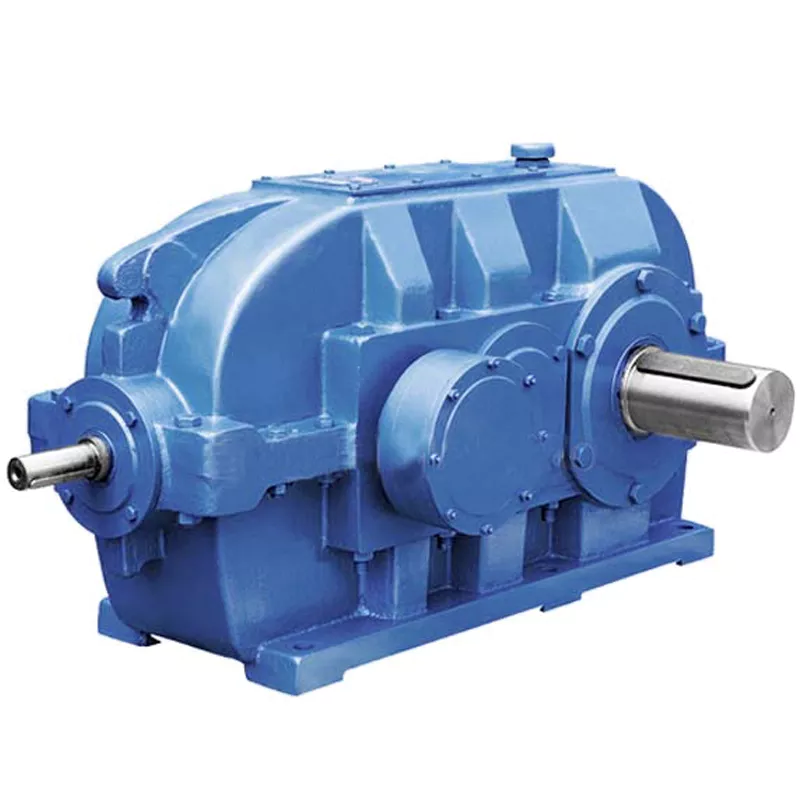
How do gear reducers enhance the efficiency of conveyor systems and robotics?
Gear reducers play a significant role in improving the efficiency of both conveyor systems and robotics by optimizing speed, torque, and control. Here’s how they contribute:
Conveyor Systems:
In conveyor systems, gear reducers enhance efficiency in the following ways:
- Speed Control: Gear reducers allow precise control over the rotational speed of conveyor belts, ensuring that materials are transported at the desired speed for efficient production processes.
- Torque Adjustment: By adjusting gear ratios, gear reducers provide the necessary torque to handle varying loads and prevent overloading, minimizing energy wastage.
- Reverse Operation: Gear reducers enable smooth bidirectional movement of conveyor belts, facilitating tasks such as loading, unloading, and distribution without the need for additional components.
- Synchronization: Gear reducers ensure synchronized movement of multiple conveyor belts in complex systems, optimizing material flow and minimizing jams or bottlenecks.
Robotics:
In robotics, gear reducers enhance efficiency through the following means:
- Precision Movement: Gear reducers provide precise control over the movement of robot joints and arms, enabling accurate positioning and manipulation of objects.
- Reduced Inertia: Gear reducers help reduce the inertia experienced by robotic components, allowing for quicker and more responsive movements while conserving energy.
- Compact Design: Gear reducers offer a compact and lightweight solution for achieving various motion profiles in robotic systems, allowing for efficient use of space and resources.
- Torque Amplification: By amplifying torque from the motor, gear reducers enable robots to handle heavier loads and perform tasks that require greater force, enhancing their overall capabilities.
By providing precise speed control, torque adjustment, and reliable motion transmission, gear reducers optimize the performance of conveyor systems and robotics, leading to improved efficiency, reduced energy consumption, and enhanced operational capabilities.
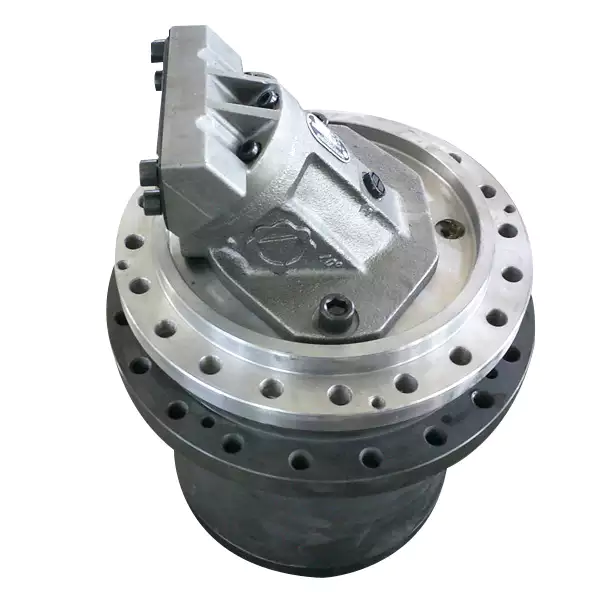
What factors should be considered when selecting the right gear reducer?
Choosing the appropriate gear reducer involves considering several crucial factors to ensure optimal performance and efficiency for your specific application:
- 1. Torque and Power Requirements: Determine the amount of torque and power your machinery needs for its operation.
- 2. Speed Ratio: Calculate the required speed reduction or increase to match the input and output speeds.
- 3. Gear Type: Select the appropriate gear type (helical, bevel, worm, planetary, etc.) based on your application’s torque, precision, and efficiency requirements.
- 4. Mounting Options: Consider the available space and the mounting configuration that suits your machinery.
- 5. Environmental Conditions: Evaluate factors such as temperature, humidity, dust, and corrosive elements that may impact the gear reducer’s performance.
- 6. Efficiency: Assess the gear reducer’s efficiency to minimize power losses and improve overall system performance.
- 7. Backlash: Consider the acceptable level of backlash or play between gear teeth, which can affect precision.
- 8. Maintenance Requirements: Determine the maintenance intervals and procedures necessary for reliable operation.
- 9. Noise and Vibration: Evaluate noise and vibration levels to ensure they meet your machinery’s requirements.
- 10. Cost: Compare the initial cost and long-term value of different gear reducer options.
By carefully assessing these factors and consulting with gear reducer manufacturers, engineers and industry professionals can make informed decisions to select the right gear reducer for their specific application, optimizing performance, longevity, and cost-effectiveness.
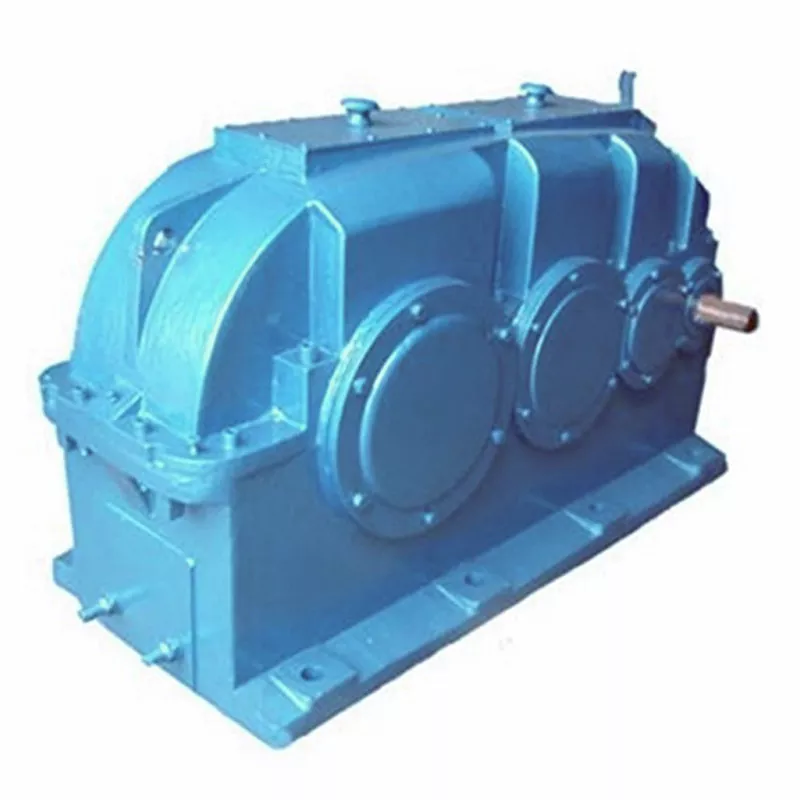
How do gear reducers contribute to speed reduction and torque increase?
Gear reducers play a crucial role in mechanical systems by achieving speed reduction and torque increase through the principle of gear ratios. Here’s how they work:
Gear reducers consist of multiple gears with different sizes, known as gear pairs. These gears are meshed together, and their teeth interlock to transmit motion and power. The gear ratio is determined by the ratio of the number of teeth on the input gear (driver) to the number of teeth on the output gear (driven).
Speed Reduction: When a larger gear (output gear) is driven by a smaller gear (input gear), the output gear rotates at a slower speed than the input gear. This reduction in speed is proportional to the gear ratio. As a result, gear reducers are used to slow down the rotational speed of the output shaft compared to the input shaft.
Torque Increase: The interlocking teeth of gears create a mechanical advantage that allows gear reducers to increase torque output. When the input gear applies a force (torque) to the teeth, it is transmitted to the output gear with greater force due to the leverage provided by the larger diameter of the output gear. The torque increase is inversely proportional to the gear ratio and is essential for applications requiring high torque at lower speeds.
By selecting appropriate gear ratios and arranging gear pairs, gear reducers can achieve various speed reduction and torque multiplication factors, making them essential components in machinery and equipment where precise control of speed and torque is necessary.


editor by CX 2023-09-27