
Product Description
Characteristics:
(1)Large output torque
(2) Safe, reliable, economical and durable
(3) Stable transmission, quiet operation
(4)High heat-radiating efficiency, high carrying ability
(5) Combination of 2 single-step worm gear speed reducers, meeting the requirements of super speed ratio
Technical data:
(1) Iput power:0.06kw-15kw
(2) Output torque:4-2320N.M
(3) Speed ratio: 5/10/15/20/25/30/40/50/60/80/100
(4) With IEC input flange: 56B14/71B14/80B5/90B5…
Materials:
(1) NMRV571-NMRV090: Aluminium alloy housing
(2) NMRV110-150: Cast iron housing
(3) Bearing: CHINAMFG bearing & Homemade bearing
(4) Lubricant: Synthetic & Mineral
Color:
(1) Blue / Light blue
(2) Silvery White
Quality control
(1) Quality guarantee: 1 year
(2) Certificate of quality: ISO9001:2000
(3) Every product must be tested before sending
| Motor power | Model | speed ratio | output speed | output toruqe |
| 0.06kw 1400rpm | NMRV030 | 5 | 280rpm | 2.0N.M |
| NMRV030 | 7.5 | 186rpm | 2.6N.M | |
| NMRV030 | 10 | 140rpm | 3.3N.M | |
| NMRV030 | 15 | 94rpm | 4.7N.M | |
| NMRV030 | 20 | 70rpm | 5.9N.M | |
| NMRV030 | 25 | 56rpm | 6.8N.M | |
| NMRV030 | 30 | 47rpm | 7.9N.M | |
| NMRV030 | 40 | 35rpm | 9.7N.M | |
| NMRV030 | 50 | 28rpm | 11.0N.M | |
| NMRV030 | 60 | 24rpm | 12.0N.M | |
| NMRV030 | 80 | 18rpm | 14.0N.M | |
| 0.09kw 1400rpm | NMRV030 | 5 | 280rpm | 2.7N.M |
| NMRV030 | 7.5 | 186rpm | 3.9N.M | |
| NMRV030 | 10 | 140rpm | 5.0N.M | |
| NMRV030 | 15 | 94rpm | 7.0N.M | |
| NMRV030 | 20 | 70rpm | 8.8N.M | |
| NMRV030 | 25 | 56rpm | 10.0N.M | |
| NMRV030 | 30 | 47rpm | 12.0N.M | |
| NMRV030 | 40 | 35rpm | 14.0N.M | |
| NMRV030 | 50 | 28rpm | 17.0N.M | |
| NMRV030 | 60 | 24rpm | 18.0N.M | |
| 0.12kw 1400rpm | NMRV030 | 5 | 280rpm | 3.6N.M |
| NMRV030 | 7.5 | 186rpm | 5.2N.M | |
| NMRV030 | 10 | 140rpm | 6.6N.M | |
| NMRV030 | 15 | 94rpm | 9.3N.M | |
| NMRV030 | 20 | 70rpm | 12.0N.M | |
| NMRV030 | 25 | 56rpm | 14.0N.M | |
| NMRV030 | 30 | 47rpm | 16.0N.M | |
| NMRV030 | 40 | 35rpm | 19.0N.M | |
| NMRV030 | 50 | 28rpm | 22.0N.M | |
| 0.18kw 1400rpm | NMRV030 | 5 | 280rpm | 5.3N.M |
| NMRV030 | 7.5 | 186rpm | 7.7N.M | |
| NMRV030 | 10 | 140rpm | 10.0N.M | |
| NMRV030 | 15 | 94rpm | 14.0N.M | |
| NMRV030 | 20 | 70rpm | 18.0N.M | |
| NMRV030 | 25 | 56rpm | 20.0N.M | |
| NMRV030 | 30 | 47rpm | 24.0N.M |
/* January 22, 2571 19:08:37 */!function(){function s(e,r){var a,o={};try{e&&e.split(“,”).forEach(function(e,t){e&&(a=e.match(/(.*?):(.*)$/))&&1
| Color: | Blue |
|---|---|
| Bearing: | NSK Bearing/ Homemade Bearing |
| Speed Ratio: | 5/10/15/20/25/30/40/50/60/80/100 |
| Samples: |
US$ 30/Piece
1 Piece(Min.Order) | Order Sample |
|---|
| Customization: |
Available
| Customized Request |
|---|
.shipping-cost-tm .tm-status-off{background: none;padding:0;color: #1470cc}
| Shipping Cost:
Estimated freight per unit. |
about shipping cost and estimated delivery time. |
|---|
| Payment Method: |
|
|---|---|
|
Initial Payment Full Payment |
| Currency: | US$ |
|---|
| Return&refunds: | You can apply for a refund up to 30 days after receipt of the products. |
|---|
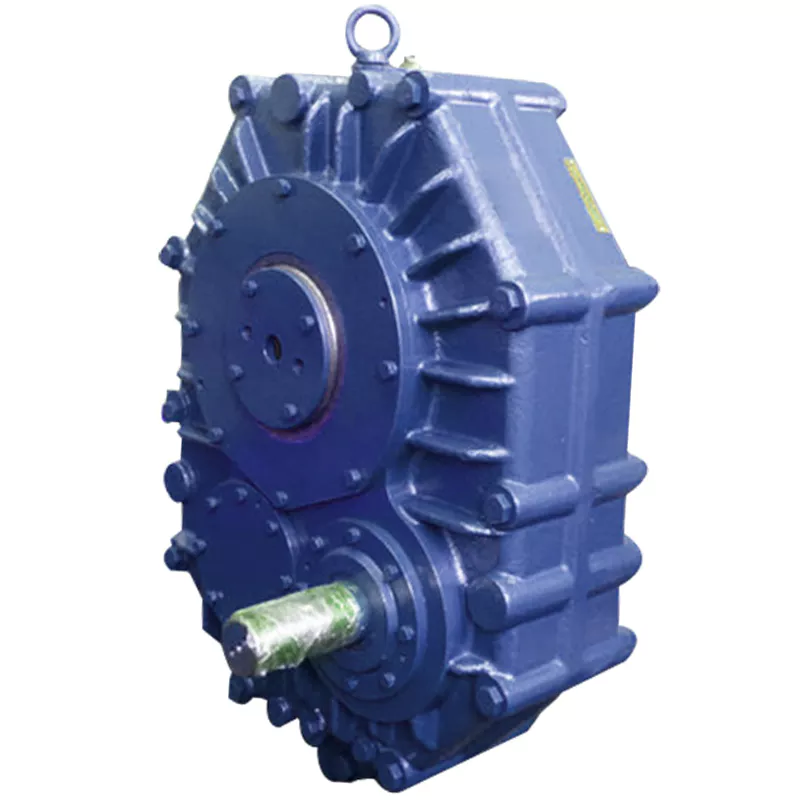
Are there any disadvantages or limitations to using gear reducer systems?
While gear reducer systems offer numerous advantages, they also come with certain disadvantages and limitations that should be considered during the selection and implementation process:
1. Size and Weight: Gear reducers can be bulky and heavy, especially for applications requiring high gear ratios. This can impact the overall size and weight of the machinery or equipment, which may be a concern in space-constrained environments.
2. Efficiency Loss: Despite their high efficiency, gear reducers can experience energy losses due to friction between gear teeth and other components. This can lead to a reduction in overall system efficiency, particularly in cases where multiple gear stages are used.
3. Cost: The design, manufacturing, and assembly of gear reducers can involve complex processes and precision machining, which can contribute to higher initial costs compared to other power transmission solutions.
4. Maintenance: Gear reducer systems require regular maintenance, including lubrication, inspection, and potential gear replacement over time. Maintenance activities can lead to downtime and associated costs in industrial settings.
5. Noise and Vibration: Gear reducers can generate noise and vibrations, especially at high speeds or when operating under heavy loads. Additional measures may be needed to mitigate noise and vibration issues.
6. Limited Gear Ratios: While gear reducers offer a wide range of gear ratios, there may be limitations in achieving extremely high or low ratios in certain designs.
7. Temperature Sensitivity: Extreme temperatures can affect the performance of gear reducer systems, particularly if inadequate lubrication or cooling is provided.
8. Shock Loads: While gear reducers are designed to handle shock loads to some extent, severe shock loads or abrupt changes in torque can still lead to potential damage or premature wear.
Despite these limitations, gear reducer systems remain widely used and versatile components in various industries, and their disadvantages can often be mitigated through proper design, selection, and maintenance practices.
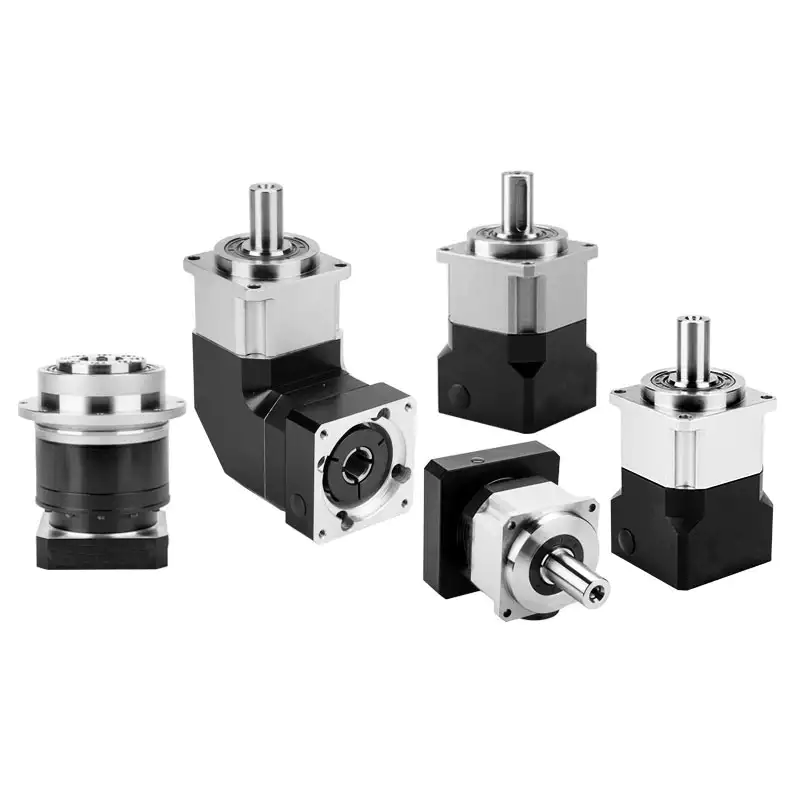
Can gear reducers be used for both speed reduction and speed increase?
Yes, gear reducers can be utilized for both speed reduction and speed increase, depending on their design and arrangement. The functionality to either decrease or increase rotational speed is achieved by altering the arrangement of gears within the gearbox.
1. Speed Reduction: In speed reduction applications, a gear reducer is designed with gears of different sizes. The input shaft connects to a larger gear, while the output shaft is connected to a smaller gear. As the input shaft rotates, the larger gear turns the smaller gear, resulting in a decrease in output speed compared to the input speed. This configuration provides higher torque output at a lower speed, making it suitable for applications that require increased force or torque.
2. Speed Increase: For speed increase, the gear arrangement is reversed. The input shaft connects to a smaller gear, while the output shaft is connected to a larger gear. As the input shaft rotates, the smaller gear drives the larger gear, resulting in an increase in output speed compared to the input speed. However, the torque output is lower than that of speed reduction configurations.
By choosing the appropriate gear ratios and arrangement, gear reducers can be customized to meet specific speed and torque requirements for various industrial applications. It’s important to select the right type of gear reducer and configure it correctly to achieve the desired speed reduction or speed increase.
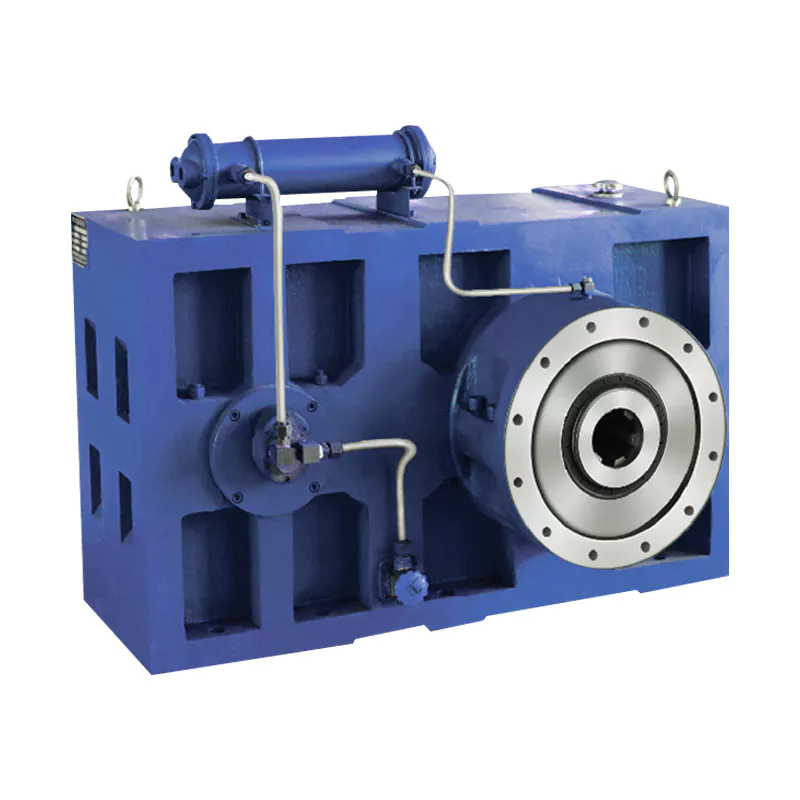
What industries and machinery commonly utilize gear reducers?
Gear reducers are widely used across various industries and types of machinery for torque reduction and speed control. Some common industries and applications include:
- 1. Manufacturing: Gear reducers are used in manufacturing equipment such as conveyors, mixers, and packaging machines to control speed and transmit power efficiently.
- 2. Automotive: They are utilized in vehicles for applications like power transmission in transmissions and differentials.
- 3. Aerospace: Gear reducers are used in aircraft systems, including landing gear mechanisms and engine accessories.
- 4. Robotics and Automation: They play a crucial role in robotic arms, CNC machines, and automated production lines.
- 5. Mining and Construction: Gear reducers are used in heavy machinery like excavators, bulldozers, and crushers for power transmission and torque multiplication.
- 6. Energy and Power Generation: Wind turbines, hydroelectric generators, and other power generation equipment use gear reducers to convert rotational speed and transmit power.
- 7. Marine and Shipbuilding: They are used in ship propulsion systems, steering mechanisms, and anchor handling equipment.
- 8. Material Handling: Gear reducers are essential in conveyor systems, elevators, and hoists for controlled movement of materials.
- 9. Food and Beverage: They find applications in food processing equipment like mixers, grinders, and packaging machines.
- 10. Paper and Pulp: Gear reducers are used in machinery for pulp processing, paper production, and printing.
These examples represent just a fraction of the industries and machinery that benefit from the use of gear reducers to optimize power transmission and achieve the desired motion characteristics.


editor by CX 2024-03-26